
Case-studies-Consumer-brand-Hero
Case Study

Fraud down, approvals up

Even with a well-established fraud prevention tech stack, this global consumer brand was hitting a wall: review costs were rising, approvals were getting slower, and evolving threats kept slipping through.

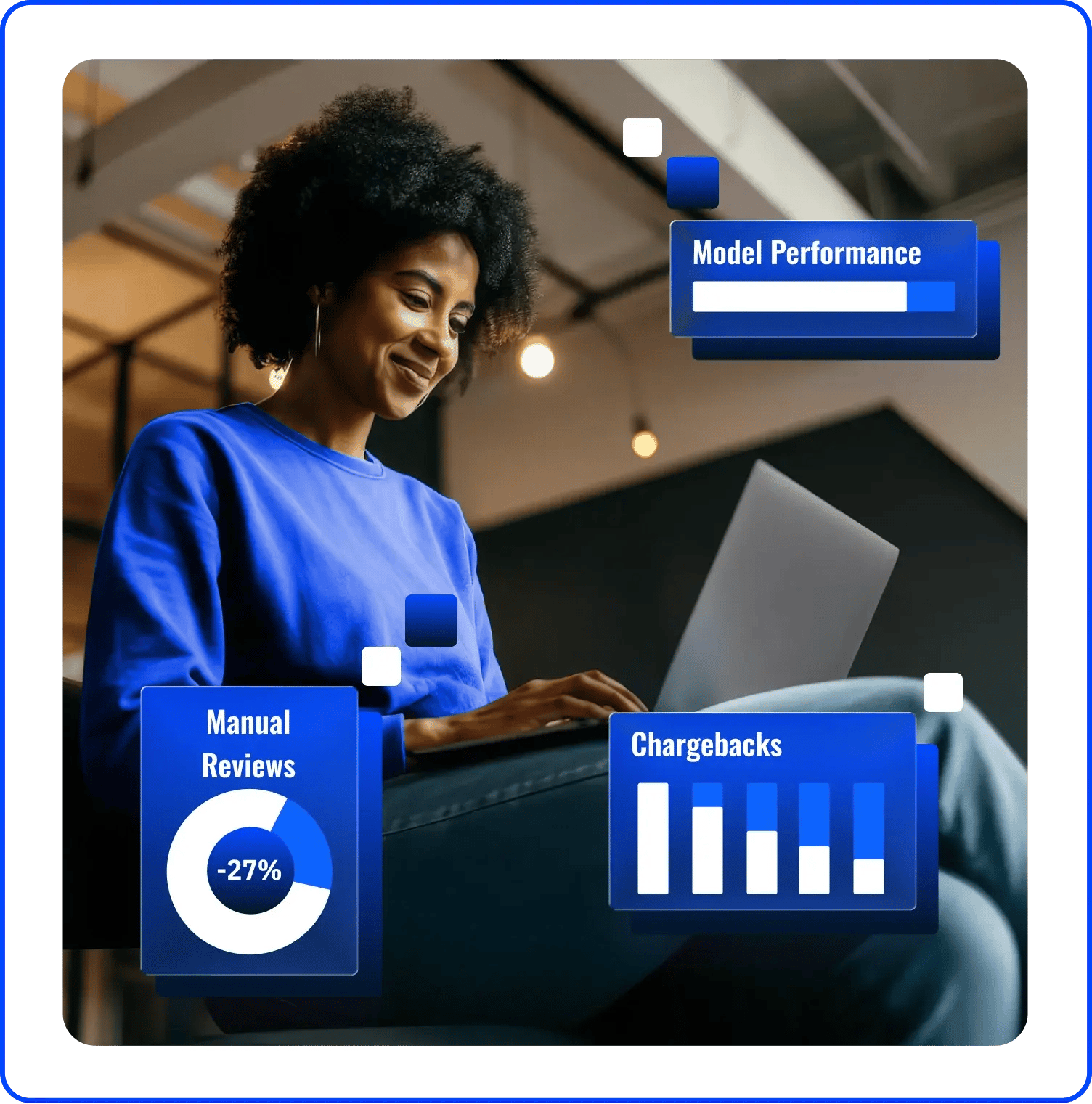
After implementing Pipl Trust, they saw a 3BPS drop in chargebacks, 27% fewer manual reviews, and a 35% lift in model performance, in under 4 months.

The challenge

A global consumer electronics company already had a mature fraud operation. Known threats were flagged, and losses were controlled. But something wasn’t adding up.

Fraud was changing, and operational costs were climbing. Approval velocity had stalled altogether. Despite solid defenses, new threats were getting through, and trusted customers were still being slowed down. They didn’t need more rules. They needed a system that could recognize trust in real time.

Their goals were clear

The hard part wasn't naming them, it was hitting all three at once without one undermining the others:
cards-blk

Reduce chargeback rates by 1–2 BPS

manual-review-blk

Cut manual reviews to reduce friction and cost

approve-blk

Expand approvals safely without opening the door to risk

Where static systems broke down

A static fraud model can read clean signals, but it can't make sense of noise. By the time the team brought in Pipl, three problems were stacking up across the platform.
signals-blk

Third parties disrupted signal lineage

External processors stripped or replaced core user signals, making it harder to link booking data to an identity and limiting the accuracy of risk scoring.

time-blk

Late detection made fraud irreversible

Fraud was often flagged after booking confirmation, but by then the platform had already issued tickets, absorbed the cost, and lost the ability to intervene.

connectivity-blk

Missing signals were the signal

Attributes like email, phone, and address weren’t just weak, they were incomplete or unverifiable. The system didn’t interpret that absence as meaningful risk, leaving fraud undetected.

How the system changed with Pipl


Pipl calibrated trust scores using over 430,000 historical transactions across a four-month period, aligning signals with real fraud and approval outcomes. The model improved performance within weeks of being deployed.

Pipl's proof of signal intelligence

61%

of VOIP phones rejected during manual review

2x

less fraud on aged emails and phones

30x

less fraud from trusted countries vs baseline

The real win? More trust and smarter decisions

This consumer brand didn't just close risk gaps, they built a more adaptive, resilient fraud program. By elevating trust as a signal and not just a side effect, they now make faster, smarter decisions grounded in real-time intelligence.


3 BPS chargeback reduction

Rules built on adaptive scoring and signal-level logic drove a 3 basis point reduction in chargebacks

26.6% fewer manual reviews

Trust scores enabled earlier risk separation, reducing the need for human triage and cutting review burden

34.8% improvement in scoring performance

Median scores for fraud vs. legitimate users separated cleanly, enabling smarter rule design.