Pipl Identity Elements Solutions

Modular intelligence for stronger decisions

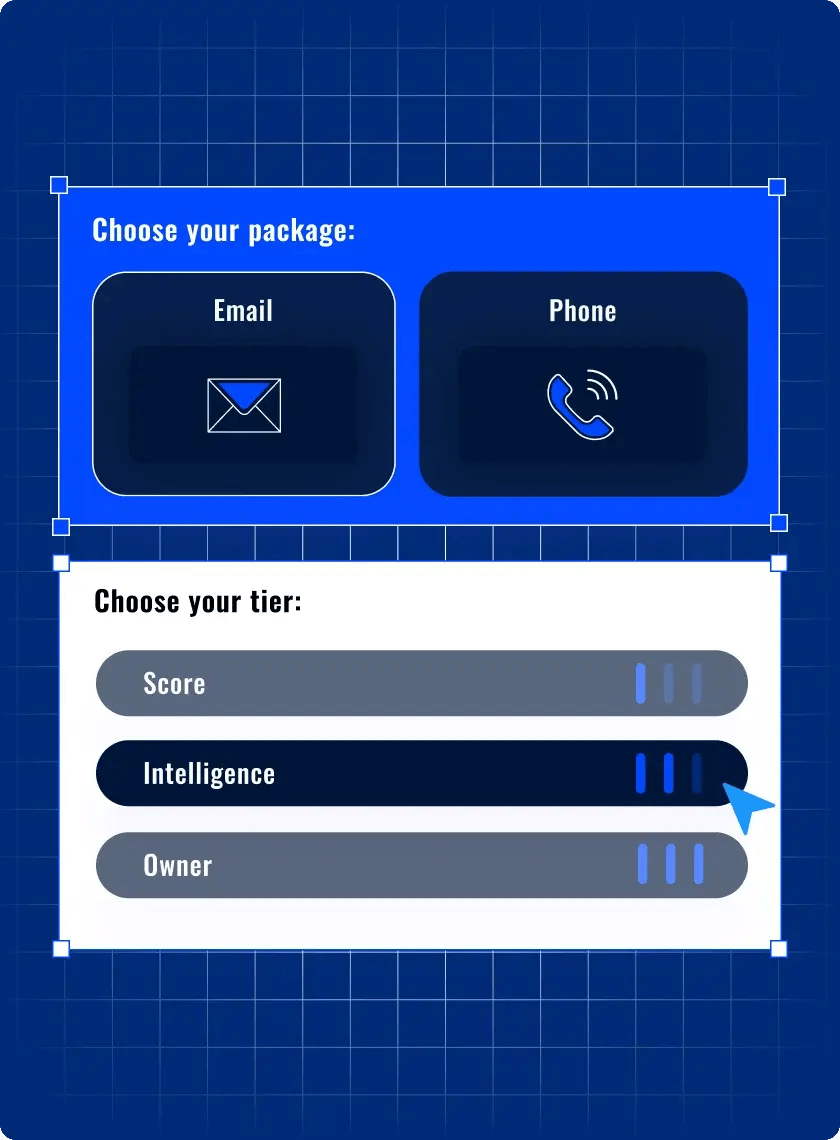
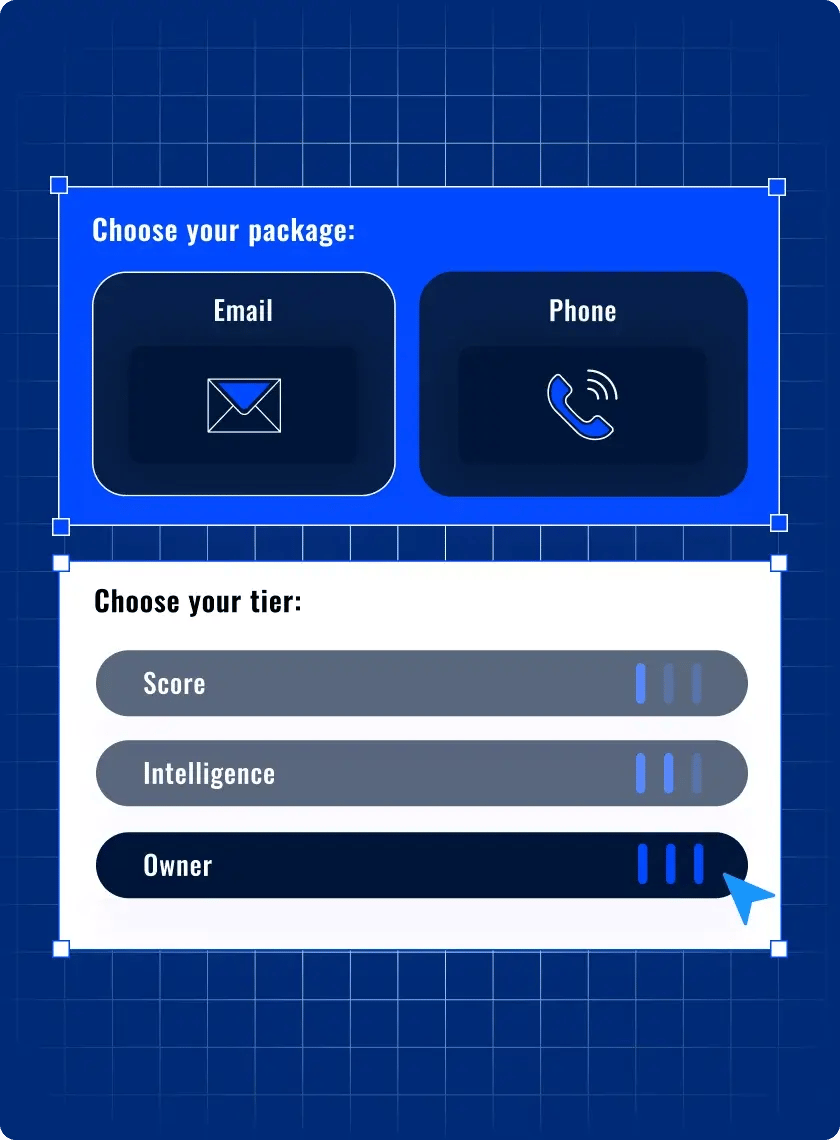
Fraud and risk teams often have the identifiers. What's missing is the context. Pipl Elements is modular phone and email intelligence, powered by Elephant and built on more than 20 years of identity data. Three tiers plug into existing models, rules, and workflows without changing decision ownership.

solutions-elements-hero

Approve more legitimate users earlier

Add identity context at signup, login, or checkout so teams can make more confident decisions before friction or additional review is required.

Strengthen existing models without rebuilding

Identity Elements plugs into the models, rules, and workflows teams already use, adding higher-confidence evidence without changing decision ownership.

Match evidence depth to the decision at hand

Real-time signals for high-volume decisions, richer context for edge cases, or highest-confidence resolution when certainty's required.

5B

5 billion unique identities

1T

1 trillion diverse signals

2B

2 billion daily signal updates

elephant-our-model

The model behind every Pipl solution

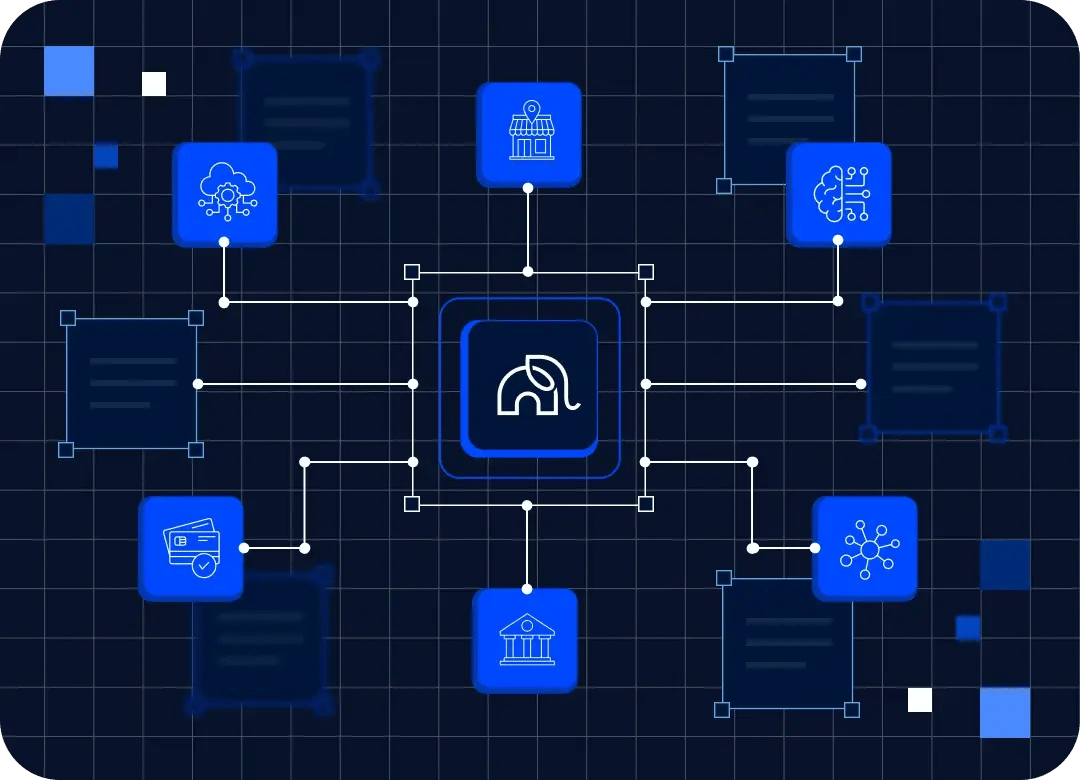
Elephant is a specialist large risk model, not a general-purpose LLM. Built on more than 20 years of payment and identity data, it evaluates over 1,000 signals in combination and can be calibrated to each environment's fraud patterns.

Every Trust product is powered by Elephant. The result is a precise, explainable risk score in milliseconds, ready for your decision logic.

Three tiers, one engine

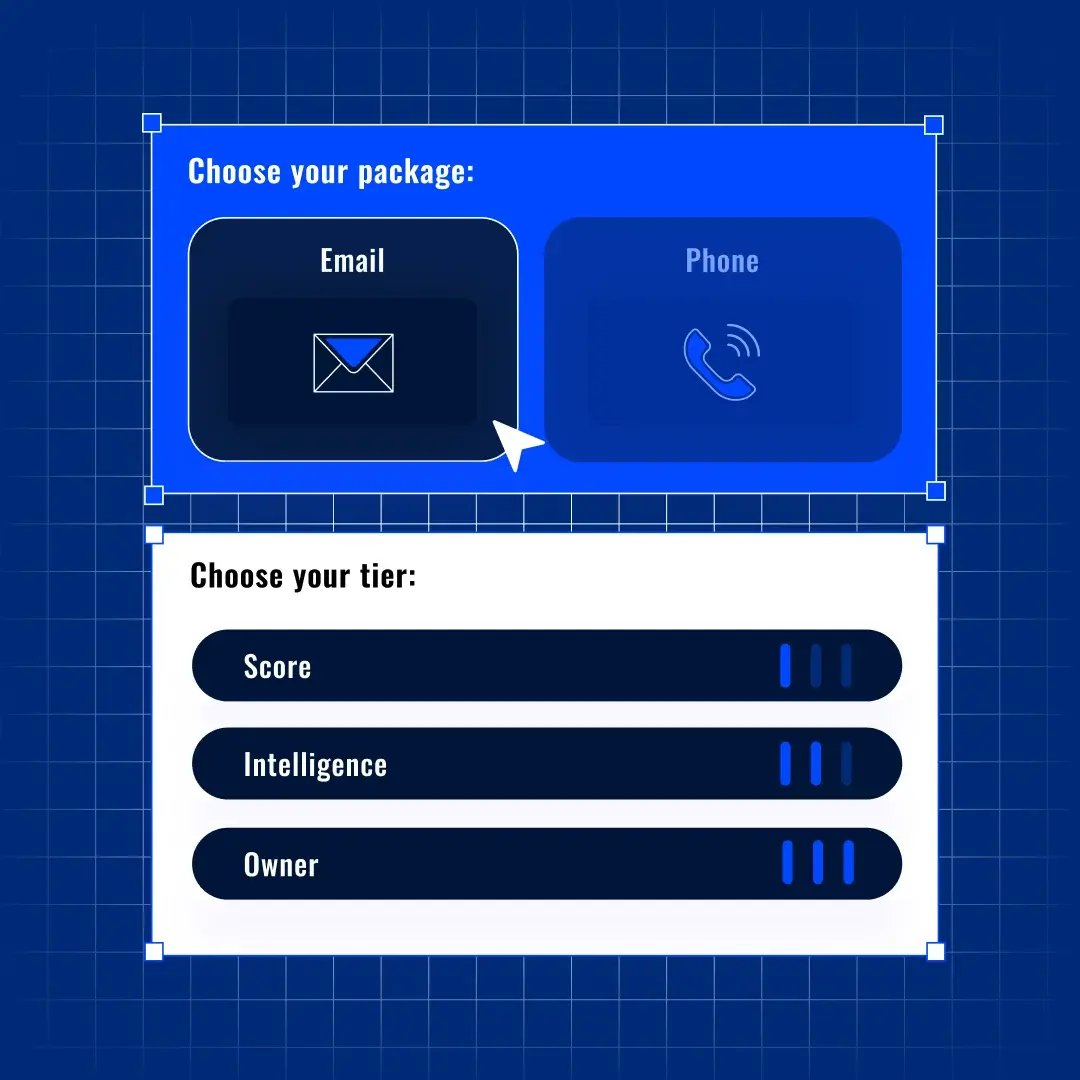
Identity Elements offers three tiers that teams can deploy independently or in combination. Each tier goes deeper into the identity evidence available, from real-time signals at the scoring layer to highest-confidence resolution for decisions that require certainty.

Real-time identity signals for high-volume decisioning at signup, login, and checkout. Recency context included.

Richer identity context that cross-checks attributes across phone and email when baseline signals are insufficient.

Highest-confidence identity resolution drawing on Pipl's global identity graph, for decisions where certainty is required.

Click + to expand each tier.

Elephant Large Risk Model
Identity Graph
5B+ Global Identities
i Hover the markers to explore the engine.

iHover the markers to explore the engine.

Real-time risk signals in the moment you need them

Phone and Email Score deliver real-time identity signals at the moments that matter most: signup, login, and checkout.

Recency context such as first seen and last seen helps models interpret identity risk earlier, calibrated to the environment's patterns, without adding latency to decisioning flows.

solutions-elements-score

Measurable results in complex payment environments

Frequently asked questions
about Pipl Elements

What is the difference between Score, Intelligence, and Owner?

Phone or Email Score, Phone or Email Intelligence, and Phone or Email Owner represent three tiers of identity depth within Pipl Elements, each built for a different decisioning moment.

The Score tier delivers real-time identity signals for high-volume decisioning at signup, login, and checkout, including recency context such as first seen and last seen indicators.

The Intelligence tier goes deeper, cross-referencing the identifier against the attributes connected to it in Pipl's identity graph to resolve edge cases and noisy environments where baseline signals are insufficient.

The Owner tier delivers Pipl's highest-confidence resolution, drawing on the world's largest identity resolution for decisions that require certainty.

Teams can deploy one tier independently or combine them depending on where each level of evidence is needed. All three tiers are powered by Elephant, Pipl's specialist large risk model, and trace back to the same 20-year foundation of identity data.

What makes Pipl's identity intelligence different from other identity providers?

Pipl's identity intelligence has three distinct characteristics.

First, depth: identity data has been collected and refined for over 20 years, predating the era of AI-generated identifiers and synthetic profiles, giving Pipl reference signals that newer datasets can't replicate.

Second, scale: Pipl's global identity graph connects 1 trillion fragments of identity data into 5 billion resolved identities, refreshed at 2 billion updates per day.

Third, the model: Elephant, Pipl's specialist large risk model, is purpose-built for payment and identity fraud rather than adapted from a general-purpose LLM, connecting fragments into resolved identities and surfacing patterns across phone and email identifiers that isolated records don't reveal.

Combined, these make Pipl's identity intelligence uniquely suited to fraud and risk teams that need defensible identity evidence in an era of synthetic and AI-generated fakes.

How does Identity Elements fit into existing fraud models and workflows?

Pipl Elements is designed to plug into existing fraud models, rules, and workflows without requiring structural changes to the decision engine already in place.

Teams call the phone or email products at the moments where identity quality matters most: signup, login, checkout, account creation, or any decisioning point where stronger identity evidence improves model precision.

The outputs pass directly into existing decisioning logic, whether that's a custom fraud model, a rules engine, or a third-party decisioning platform.

Decision ownership stays with the team, no external scoring logic is introduced, and the modular structure means teams can add one tier at a time rather than committing to a full integration upfront.

Which tier should my team start with?

The Score tier is the natural starting point for most teams. It delivers real-time identity signals at production scale with minimal integration complexity, requires only a phone or email identifier, and returns signals in milliseconds, making it the lowest-overhead way to strengthen existing fraud models.

Many teams start with a single concrete win, like reducing SMS OTP costs at signup by clearing legitimate users without a challenge. Teams that find baseline signals insufficient in specific markets or edge cases typically add the Intelligence tier, and the Owner tier fits high-value decisions, account takeover protection, and regulated environments where resolution certainty matters.

As decisioning needs grow beyond a single identifier, Pipl Trust extends the same Elephant foundation to full transaction scoring.

What phone and email data does Identity Elements return?

The data returned varies by tier. The Score tier returns real-time identity signals including recency indicators (first seen and last seen), velocity context, and risk patterns associated with the phone number or email address.

The Intelligence tier returns richer context, cross-referencing the identifier against connected attributes in Pipl's identity graph and surfacing relationships and consistency patterns that surface-level signals can't reveal.

The Owner tier returns Pipl's highest-confidence identity resolution, drawn from the global identity graph of 5 billion resolved identities, with supporting evidence such as identity attribution, relationship context, and validation indicators.

Every tier's output is designed to feed directly into your own models, rules, and review tools; the signals and evidence are yours to weigh, and the decision logic stays with your team.

How does Identity Elements support global deployments?

Pipl Elements is built for use across regions, languages, and data ecosystems.

The Score and Intelligence tiers are powered by Elephant, Pipl's specialist large risk model, which reflects the fraud patterns and conditions of the environment it operates in rather than applying generic logic across different markets.

The Owner tier draws on Pipl's global identity graph, which spans more than 5 billion identities across 150+ countries, including emerging markets, mobile-first identity ecosystems, and geographies where standard identity verification tools have coverage gaps. Teams operating across multiple geographies can apply consistent identity intelligence without relying on region-specific assumptions that create coverage gaps.
What is the difference between Score, Intelligence, and Owner?

What is the difference between Score, Intelligence, and Owner?

Phone or Email Score, Phone or Email Intelligence, and Phone or Email Owner represent three tiers of identity depth within Pipl Elements, each built for a different decisioning moment.

The Score tier delivers real-time identity signals for high-volume decisioning at signup, login, and checkout, including recency context such as first seen and last seen indicators.

The Intelligence tier goes deeper, cross-referencing the identifier against the attributes connected to it in Pipl's identity graph to resolve edge cases and noisy environments where baseline signals are insufficient.

The Owner tier delivers Pipl's highest-confidence resolution, drawing on the world's largest identity resolution for decisions that require certainty.

Teams can deploy one tier independently or combine them depending on where each level of evidence is needed. All three tiers are powered by Elephant, Pipl's specialist large risk model, and trace back to the same 20-year foundation of identity data.

What makes Pipl's identity intelligence different from other identity providers?

What makes Pipl's identity intelligence different from other identity providers?

Pipl's identity intelligence has three distinct characteristics.

First, depth: identity data has been collected and refined for over 20 years, predating the era of AI-generated identifiers and synthetic profiles, giving Pipl reference signals that newer datasets can't replicate.

Second, scale: Pipl's global identity graph connects 1 trillion fragments of identity data into 5 billion resolved identities, refreshed at 2 billion updates per day.

Third, the model: Elephant, Pipl's specialist large risk model, is purpose-built for payment and identity fraud rather than adapted from a general-purpose LLM, connecting fragments into resolved identities and surfacing patterns across phone and email identifiers that isolated records don't reveal.

Combined, these make Pipl's identity intelligence uniquely suited to fraud and risk teams that need defensible identity evidence in an era of synthetic and AI-generated fakes.

How does Identity Elements fit into existing fraud models and workflows?

How does Identity Elements fit into existing fraud models and workflows?

Pipl Elements is designed to plug into existing fraud models, rules, and workflows without requiring structural changes to the decision engine already in place.

Teams call the phone or email products at the moments where identity quality matters most: signup, login, checkout, account creation, or any decisioning point where stronger identity evidence improves model precision.

The outputs pass directly into existing decisioning logic, whether that's a custom fraud model, a rules engine, or a third-party decisioning platform.

Decision ownership stays with the team, no external scoring logic is introduced, and the modular structure means teams can add one tier at a time rather than committing to a full integration upfront.

Which tier should my team start with?

Which tier should my team start with?

The Score tier is the natural starting point for most teams. It delivers real-time identity signals at production scale with minimal integration complexity, requires only a phone or email identifier, and returns signals in milliseconds, making it the lowest-overhead way to strengthen existing fraud models.

Many teams start with a single concrete win, like reducing SMS OTP costs at signup by clearing legitimate users without a challenge. Teams that find baseline signals insufficient in specific markets or edge cases typically add the Intelligence tier, and the Owner tier fits high-value decisions, account takeover protection, and regulated environments where resolution certainty matters.

As decisioning needs grow beyond a single identifier, Pipl Trust extends the same Elephant foundation to full transaction scoring.

What phone and email data does Identity Elements return?

What phone and email data does Identity Elements return?

The data returned varies by tier. The Score tier returns real-time identity signals including recency indicators (first seen and last seen), velocity context, and risk patterns associated with the phone number or email address.

The Intelligence tier returns richer context, cross-referencing the identifier against connected attributes in Pipl's identity graph and surfacing relationships and consistency patterns that surface-level signals can't reveal.

The Owner tier returns Pipl's highest-confidence identity resolution, drawn from the global identity graph of 5 billion resolved identities, with supporting evidence such as identity attribution, relationship context, and validation indicators.

Every tier's output is designed to feed directly into your own models, rules, and review tools; the signals and evidence are yours to weigh, and the decision logic stays with your team.

How does Identity Elements support global deployments?

How does Identity Elements support global deployments?

Pipl Elements is built for use across regions, languages, and data ecosystems.

The Score and Intelligence tiers are powered by Elephant, Pipl's specialist large risk model, which reflects the fraud patterns and conditions of the environment it operates in rather than applying generic logic across different markets.

The Owner tier draws on Pipl's global identity graph, which spans more than 5 billion identities across 150+ countries, including emerging markets, mobile-first identity ecosystems, and geographies where standard identity verification tools have coverage gaps. Teams operating across multiple geographies can apply consistent identity intelligence without relying on region-specific assumptions that create coverage gaps.
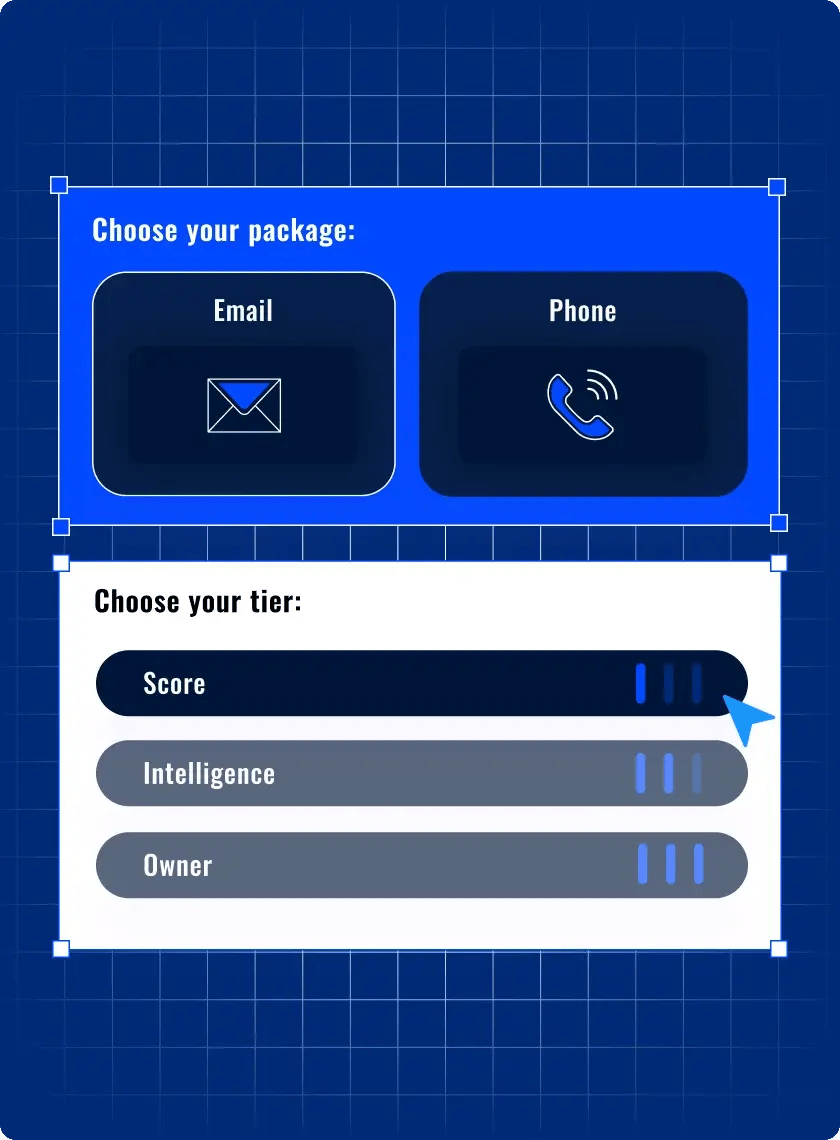
Modular identity intelligence, designed for the decision at hand

Surface-level signals produce surface-level decisions. Identity Elements delivers phone and email intelligence in three tiers of depth, powered by Elephant, into the models your team already uses.