Investigation teams are measured on throughput. The cost of every unresolved case sits in a different line item and rises faster than the queue does. Pipl Search Insights and Trust Insights give teams the connected identity and scoring context to resolve more cases without growing the team.
Fraud investigations have changed across six dimensions, and the shifts compound. The evidence base most teams work from was built for an earlier generation of cases, and it's losing ground at every one.
Detection systems fire more signals every year, but each one needs more identity context to resolve, not less. Queues swell while close rates stall, and analyst hours scale linearly against a problem that doesn't.
Bank statements, ID scans, utility bills, and proof of address are now produced at scale by generative tools. The artifacts investigators used to verify identity are increasingly the ones being faked. Document-led verification stopped being verification.
Persona-as-a-service, identity-on-demand, mule networks, and coordinated operations mean the entity behind a single case is usually distributed. Investigators are assembling a connected picture from fragments designed to look unrelated.
Tighter regulatory bars, more sophisticated disputes, and more frequent audits mean the case file is now read by people far beyond the investigations team. Conclusions that can't show their reasoning don't survive contact with escalation.
Disputes, chargebacks, and regulatory reporting all run on tightening SLAs. The investigator has less time to assemble the same evidence, and the cost of missing the window lands directly on the P&L.
When investigation queues grow, the instinct is to hire. The same instinct shows up as tighter SLAs and faster close-rate targets, and all three worked for a previous generation of cases. They don't anymore.
Today's cases need more evidence per resolution, not more hands per case. Adding capacity just amortizes a broken evidence supply over a larger team, and the case file gets thinner the further you scale. The response that feels safest is the one making the margin problem worse.
A case file captures the work of an investigation. It captures almost none of the cost. The cost surfaces in disputes, audits, regulatory exposure, and analyst turnover.
SLA pressure forces cases to close before they're fully resolved. The case file marks them done, and the actor returns under a new identity weeks later. The repeat fraud lands as a fresh loss, not as the cost of the first investigation falling short.
A case file that holds up inside the investigations team often doesn't hold up under dispute, audit, or regulatory escalation. The dispute loss, the reversed enforcement, and the damaged stakeholder trust all land far from the team that produced the conclusion.
When examiners arrive, the case files are what they read. Weak evidence trails become MRAs, consent orders, and capital implications. The fraud team's evidence supply quietly becomes the bank's regulatory posture.
Investigation work that feels like queue management drives burnout. Replacing an experienced investigator costs six to twelve months of ramp and the institutional knowledge that left with them. The hire-back budget rarely sits on the fraud P&L.

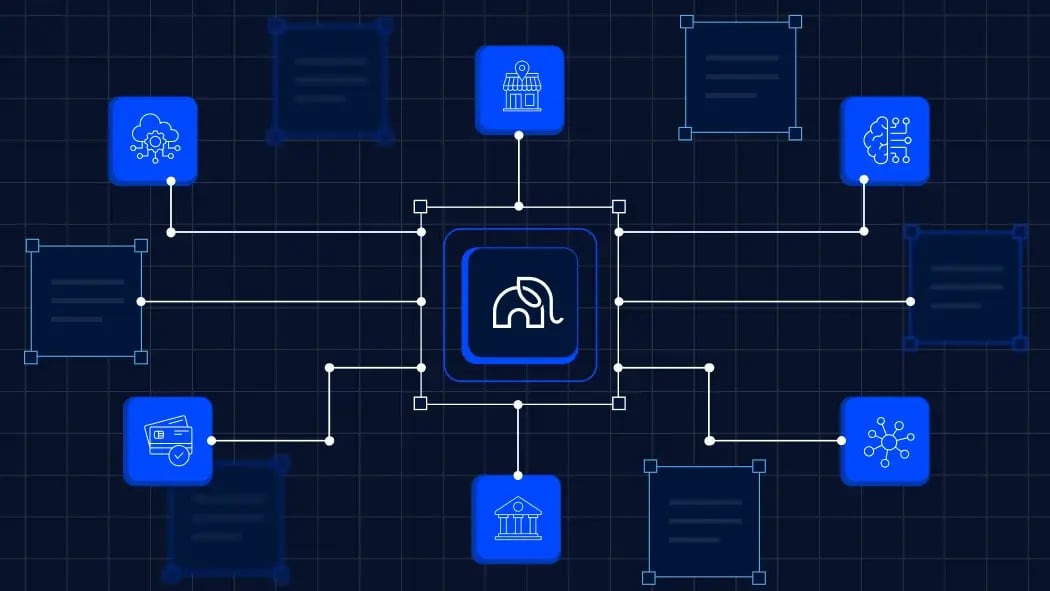
Deeper evidence used to mean slower cases. Internal data couldn't connect identity across borders, channels, or campaigns, so every gain in defensibility cost a beat in throughput. Pipl Search Insights and Trust Insights supply connected identity and scoring context at investigation speed, and the trade-off disappears.
✕ Disconnected evidence: Triage starts with guessing who you're even looking at.
✕ Disconnected evidence: Every connection is another tab, another query, another export.
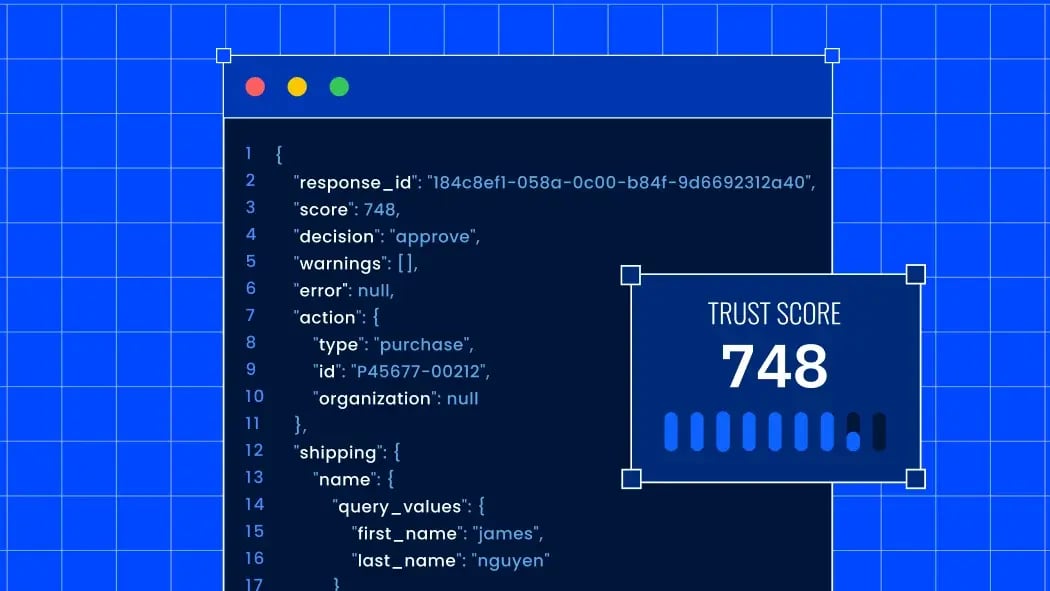
Every signal behind the flagged transaction becomes part of the case, laid out visually with the connections that drove the score. Cases that used to mean digging now close in seconds.
✕ Disconnected evidence: The case file says what happened but can't show why.
Most investigation tools were built around workflows, not evidence. The evidence supplied to those workflows is what shapes cost, defensibility, and analyst capacity. Pipl Search Insights and Trust Insights supply the connected identity and scoring context the workflows can't generate on their own.