Use-case-hero-account-opening
Account Opening

Your riskiest decision is about someone you've never met

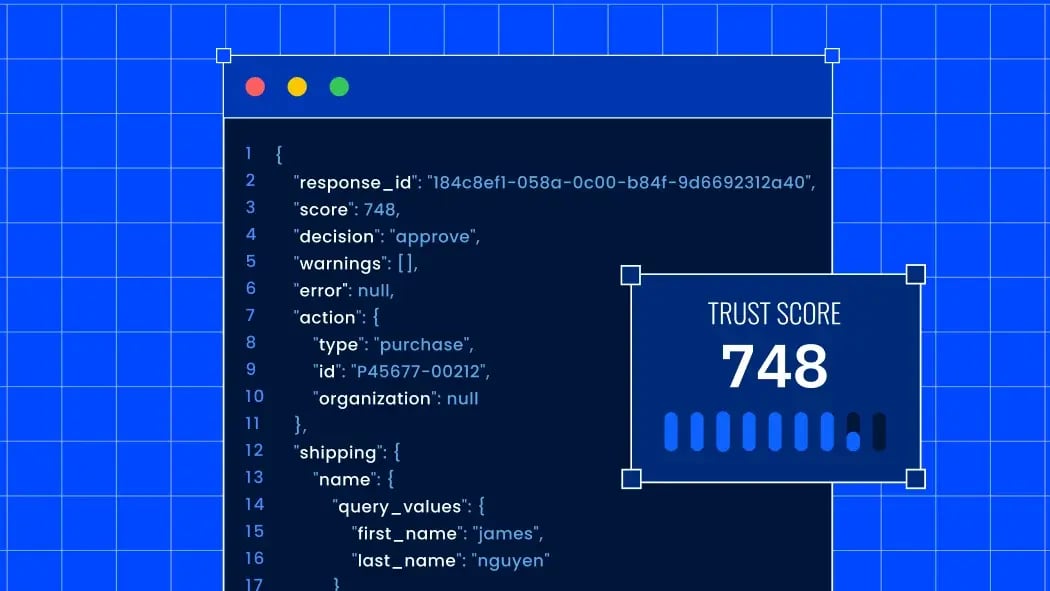
At signup you know less about an applicant than you ever will again, and most controls make the call on attributes alone. Pipl solutions resolve every application against 5B+ identities with years of connected history, powered by Elephant, our large risk model, so real people get in and fabricated ones don't.

The fraud hitting signup has shifted, but most onboarding controls haven't

Account opening fraud has evolved across six dimensions, and the shifts compound. Controls that check attributes one at a time are losing ground at every one.

approve-blk

Synthetic identities are engineered to pass

A manufactured name, email, phone, and device all look perfectly valid in isolation. That's the design. Synthetics are built specifically to clear the attribute checks most onboarding relies on.

bots-blk

Bots apply at industrial scale

Mass account creation doesn't need humans anymore. Application volume can spike a thousandfold overnight, and every fake account that clears signup becomes tomorrow's integrity problem.
person-blk

Stolen identities apply as real people

A stolen-identity application carries genuinely valid data, because it belongs to someone. Attribute validation confirms the victim exists; it can't confirm the victim is applying.

scale-blk

Promo abuse scales with every campaign

Multi-accounting turns each signup incentive into a payout window. The bigger the offer, the bigger the coordinated wave that arrives to collect it.

monitoring-blk

Thin files look like threats

New-to-market customers, young customers, and first-time online buyers carry legitimate signals that single-signal checks mistake for risk. The customers you most want to win look the most like fraud.

location-blk

Every new market resets your data

Expansion into a new geography means onboarding people your internal data has never seen. Without outside history, everyone in the new market starts as a stranger.

use-case-account-opening-btf

More verification means more costs

When signup fraud rises, the instinct is to add verification: another document, another OTP, another review queue. It worked for a previous generation of fraud, but not this one. Synthetics are built to pass those checks, while real applicants abandon the flow they're forced through.

GenAI can deepfake a person's face and voice, but it can't create an email address that already has ten years of history, which is why the answer is connected history, not more hoops. The response that feels safest is the one making the problem worse.

Onboarding's hidden bill

The cost of a bad signup decision rarely lands at signup. It surfaces in abandoned applications, lost lifetime value, and fake accounts that bill you later.

manual-review-blk

Rejected applicants don't reapply

A falsely declined signup isn't logged as lost lifetime value; it's logged as a successful prevention. The customer joins a competitor the same afternoon, and your metrics call it a win.


chart-blk

A fake account's cost starts later

The synthetic that clears signup doesn't only cost you at signup. It costs you in promo abuse, chargebacks, and account integrity cleanup, in line items that never trace back to the onboarding decision that let it in.


monitoring-blk

Abandonment never shows up as fraud cost

Every extra verification step sheds real applicants who won't finish the flow. Those losses land in conversion dashboards, not fraud reports, so the fraud posture causing them never gets the bill.

Connected history, not more hoops

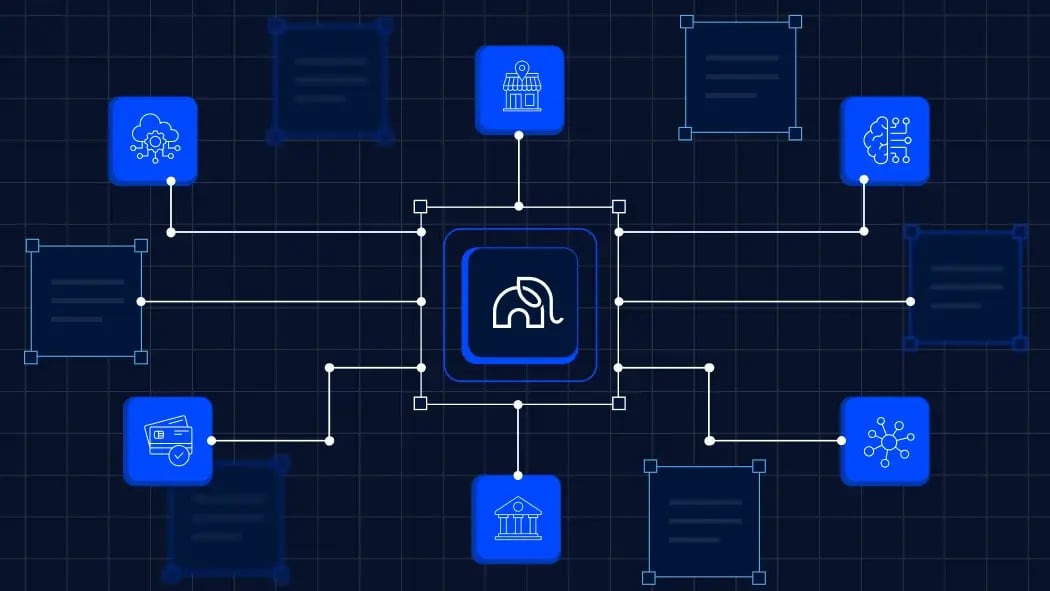
Attribute checks were the right defense when fake applications looked fake. Today's synthetics, stolen identities, and bot-built accounts clear them by design. Pipl solutions read the history behind every application, so signup conversion and fraud prevention stop competing for the same decision.

Attribute checks: A brand-new customer and a fabricated identity look identical.

When Pipl sees a good applicant

A young customer or first-time online buyer has little history with you, but years of it in the world: an email, phone, and address that connect and check out. They resolve to a real person and get in without extra hoops.
When Pipl sees fraud

A synthetic identity presents clean attributes but can't present a past. Elephant scores the signals in combination and finds the tell: a decade of consistent, connected history can't be manufactured.

Attribute checks: An unfamiliar market makes everyone look risky.

When Pipl sees a good applicant

Expansion customers arrive with no footprint in your data, but Pipl's graph spans 5B+ identities across 150+ countries. Real applicants in a new market resolve on day one, so growth doesn't start with a wall of declines.

When Pipl sees fraud

Fraud probes new markets first, betting your coverage lags your launch. The same graph depth that approves real locals catches the coordinated signups hiding behind your unfamiliarity.

Attribute checks: A valid email is a valid email.

When Pipl sees a good applicant

When all you collect is an email or a phone number, Pipl solutions confirm the attribute belongs to a real, established person in a single call, without adding a verification step or another hoop for the applicant.
When Pipl sees fraud

Disposable emails, tumbled addresses, and virtual numbers all look valid to a format check. Pipl reads the history and connections behind the attribute, and a signal with no past behind it surfaces immediately.

See connected history on your signup decisions

If your onboarding checks attributes one at a time, it's shaping your conversion, fraud exposure, and growth ceiling, whether you realize it or not. Pipl solutions are built on a large risk model purpose-built for payment and identity fraud, applied to the signup decisions you manage.