
Case-studies-Global-Marketplace-Hero
Case Study

More trusted users and fewer losses at scale

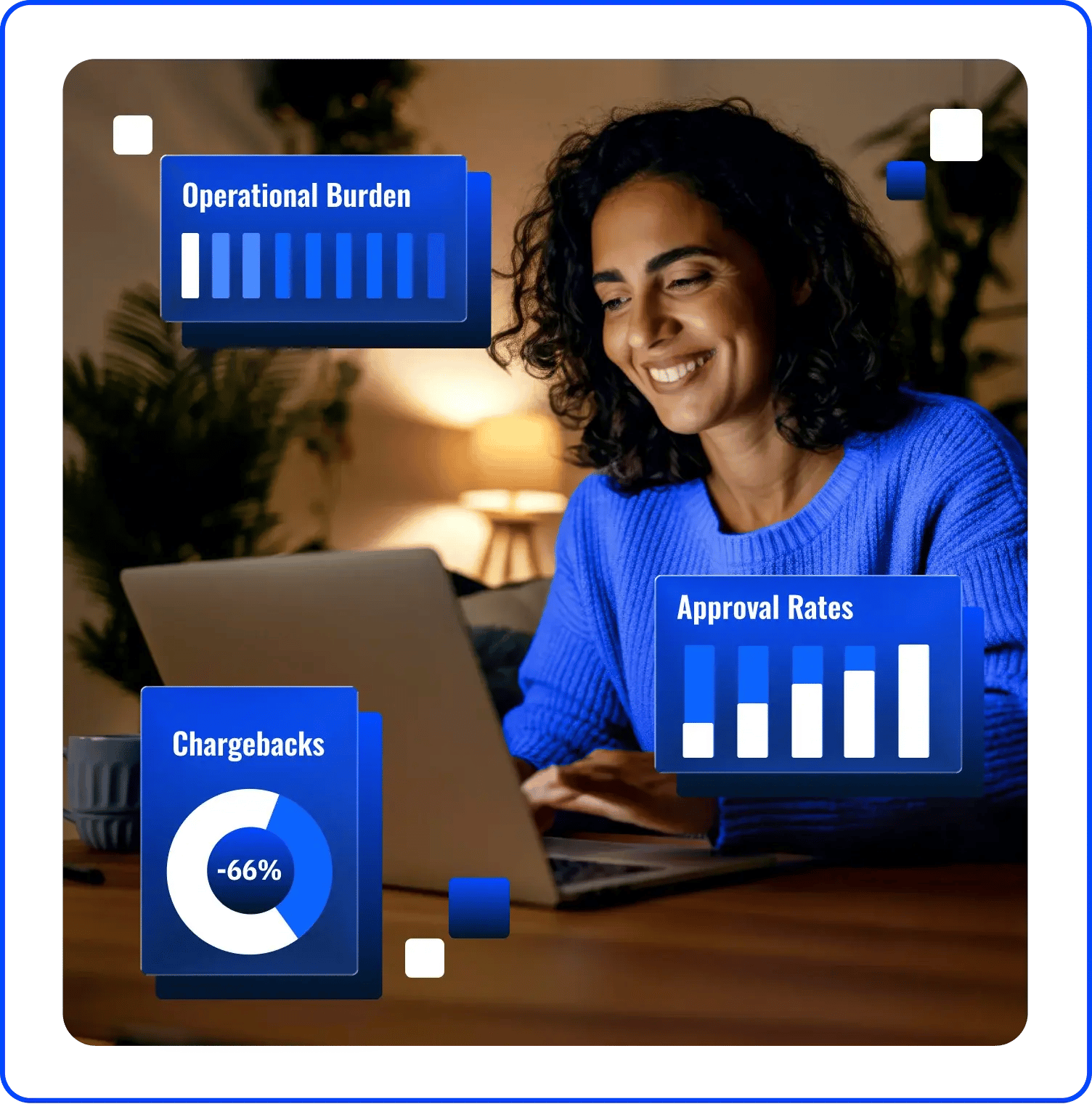
This global marketplace was facing a difficult tradeoff: raise defenses and risk turning away real customers, or loosen controls and invite costly fraud. Pipl helped them break the tradeoff, improving approval rates, cutting chargebacks by more than two-thirds, and reducing operational burden in the process.

The challenge

This marketplace processes over a million transactions monthly, with a fraud team that was deeply familiar with behavioral patterns, rules-based logic, and risk thresholds. But despite their maturity, outcomes weren’t improving fast enough.

Chargeback rates remained stubbornly high. The review queue consumed too much analyst time. And the path to higher approval rates felt closed off, blocked by the fear of letting more fraud through. They needed a new way to recognize when a user should be trusted, not just when one shouldn’t.

Their goals were clear

The hard part wasn't naming them, it was hitting all three at once without one undermining the others:
approve-blk

Improve approval rates without increasing chargebacks

manual-review-blk

Reduce manual review volume and cost

decline-blk

Drive down chargeback rates

Where static systems broke down

The team had tuned their rules and thresholds about as far as they could go. Three problems kept resurfacing regardless.
time-blk

Too many safe transactions stalled

Even real customers were getting routed to review or declined, damaging conversion and trust.

manual-review-blk

Manual reviews were slow

Almost 10% of their transactions required manual review, creating delays and additional cost.

scale-blk

Chargebacks remained high

Even strict rules couldn't push the chargeback rate below 12%, well above industry benchmarks.

How the system changed with Pipl


Pipl introduced trust scores calibrated to the marketplace’s own data, using a blend of labeled and unlabeled transactions, enriched identity signals, and outcome-driven scoring thresholds. Rather than focusing solely on what looked risky, the new system prioritized what looked credible.

Pipl's proof of signal intelligence

59%

less fraud on emails in Pipl's identity graph

42%

less fraud on matched phone + address

3x

less fraud on matched email + phone

80%

less fraud with 3+ strong identity signals

The real win? Confidence throughout the funnel

Once Pipl’s Trust Score was deployed, the impact was felt across the entire system. Approvals moved faster, review queues shrank, and fraud dropped, all while preserving the control teams needed to stay confident.

From fraud prevention to analyst operations to user experience, the entire decision funnel became sharper, cleaner, and easier to trust.


Chargeback rate dropped from 12% to 4%

Adaptive scoring identified credible users earlier, reducing loss from risky transactions.

Manual review rate dropped from 9% to 3.5%

Signal-based separation made borderline cases clearer, easing analyst load and cost.

19.4pp increase in approval rates

Calibrated trust scores allowed the team to approve more good users without increasing fraud exposure.

ROC-AUC lifted from 0.75 to 0.83

Model improvements delivered sharper signal separation and better fraud prediction, even in low-prevalence environments.