Ecommerce

When fraud controls can't tell legitimate customers from risk 

The damage at checkout rarely starts with fraud that was too hard to catch. More often, it starts when fraud controls get too defensive and suppress orders that should have gone through. Pipl Trust helps ecommerce teams make more precise checkout decisions, powered by Elephant, Pipl's large payment AI model, so fraud controls stop dragging down performance where growth matters most.

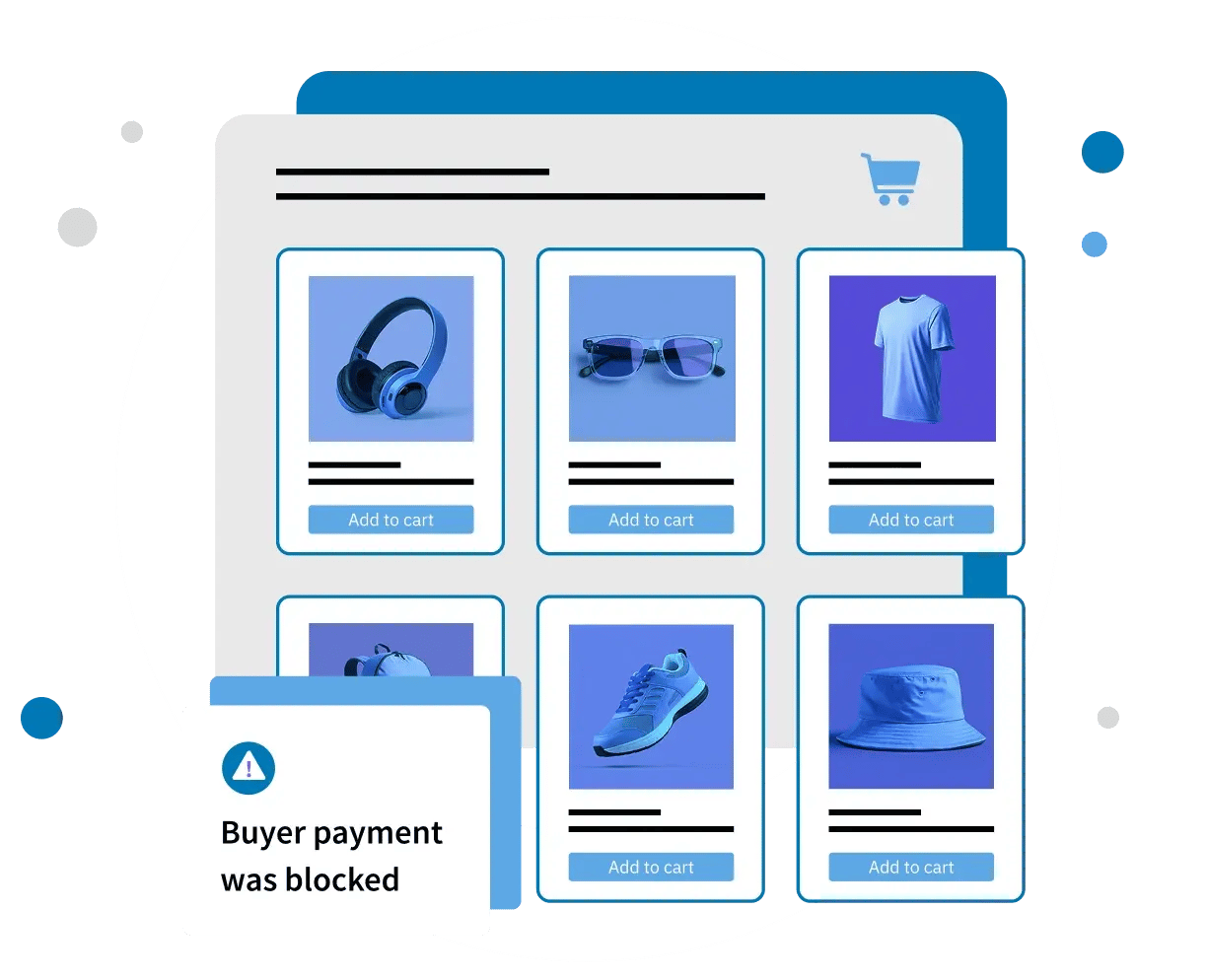
Pipl-Ecommerce-Hero

Where legitimate orders start getting filtered out

Checkout doesn't break only when fraud gets missed. It also breaks when fraud controls can't distinguish real risk from the customer behavior ecommerce teams need to convert every day. Pipl Trust helps teams make approval decisions with more precision by calibrating scoring to the fraud conditions they actually manage, using connected identity, behavior, and device signals in real time.

First-time buyers with limited history

At the transaction layer, the signal can look uncertain. In context, it may reflect a legitimate customer who is new to the brand, new to the market, or simply harder to classify with shallow data alone.

Cross-border and low history shoppers

New geographies, limited history, or unfamiliar signal patterns can push broad fraud controls toward more defensive decisions. Pipl Trust calibrates to those conditions rather than defaulting to caution.

Promotions and peak period demand

Spikes in demand, order mix, and transaction timing can make legitimate checkout activity look riskier than it is. Pipl Trust reflects what's actually changing rather than tightening across the wrong parts of the flow.

Customer abandons before revenue is captured

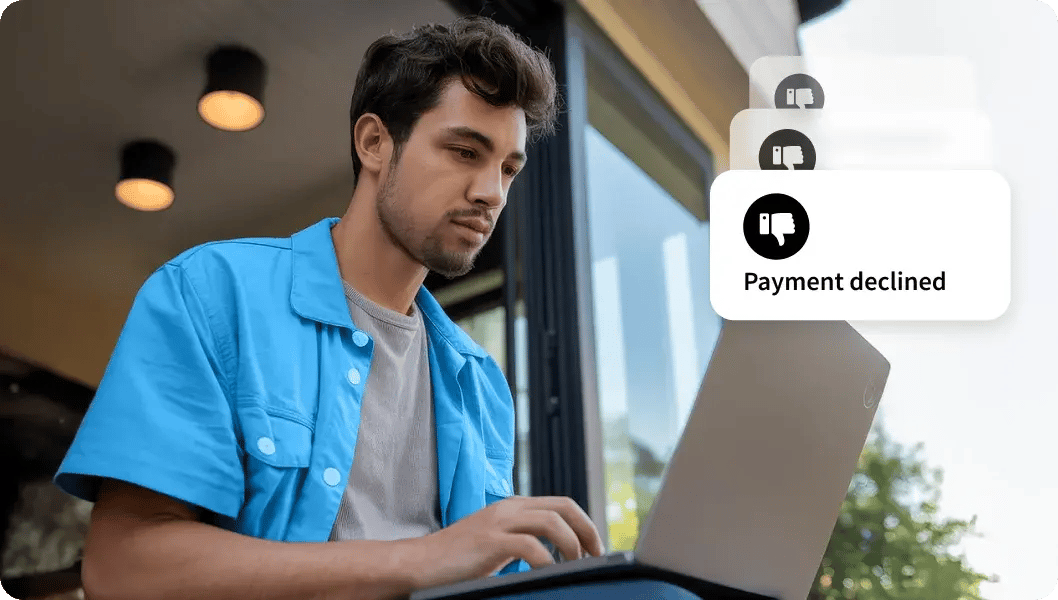
False declines don't just block isolated orders. They reduce approved volume, weaken checkout performance, and quietly limit the revenue your team could have converted. When fraud controls become too defensive, more legitimate customers get pushed into step-ups or broken journeys that weaken conversion.


pipl-btf-4

Revenue burden increases and compounds when scoring falls short

When systems can't separate legitimate checkout variation from elevated risk, more transactions fall into review and operational delay. Broader controls don't automatically produce better protection either. Chargebacks and downstream losses can remain a problem even as checkout performance suffers.

Pipl-btf-manual-rev

Deploy ecommerce-calibrated scoring without adding checkout friction

Pipl Trust API fits into existing checkout and review workflows with minimal lift. Its flexible schema, sub-200ms latency, and stateless delivery model make it practical to embed fraud scoring directly into live ecommerce decision flows without adding operational complexity.


pipl-btf-1

The foundation underneath every Pipl Trust decision

Pipl Trust draws on Pipl's identity graph and Elephant, Pipl's large payment AI model, to give ecommerce teams the signal depth to make more confident checkout decisions without tightening controls across the wrong parts of the flow.

5+ Billion

Global Identities

28+ Billion

Unique Identifiers

740+ Billion

Trust Signals

Built for production inside live ecommerce workflows

6 Facts You Must Know About Fraud Prevention’s Shift from Rule-Based to AI
6 Facts You Must Know About Fraud Prevention’s Shift from Rule-Based to AI

Jan 17, 2024 3 min read
NO RULES: How AI Renders Rule-Based Fraud Prevention Obsolete

NO RULES: How AI Renders Rule-Based Fraud Prevention Obsolete

Dec 1, 2023 5 min read
Online Dating: Do You Believe in Trust at First Sight?

Online Dating: Do You Believe in Trust at First Sight?

Oct 26, 2023 3 min read
Your Trust & Safety Metrics Are Lying to You

Your Trust & Safety Metrics Are Lying to You

Oct 2, 2023 5 min read