Payment Platforms

Approvals should be your competitive edge, not your drag

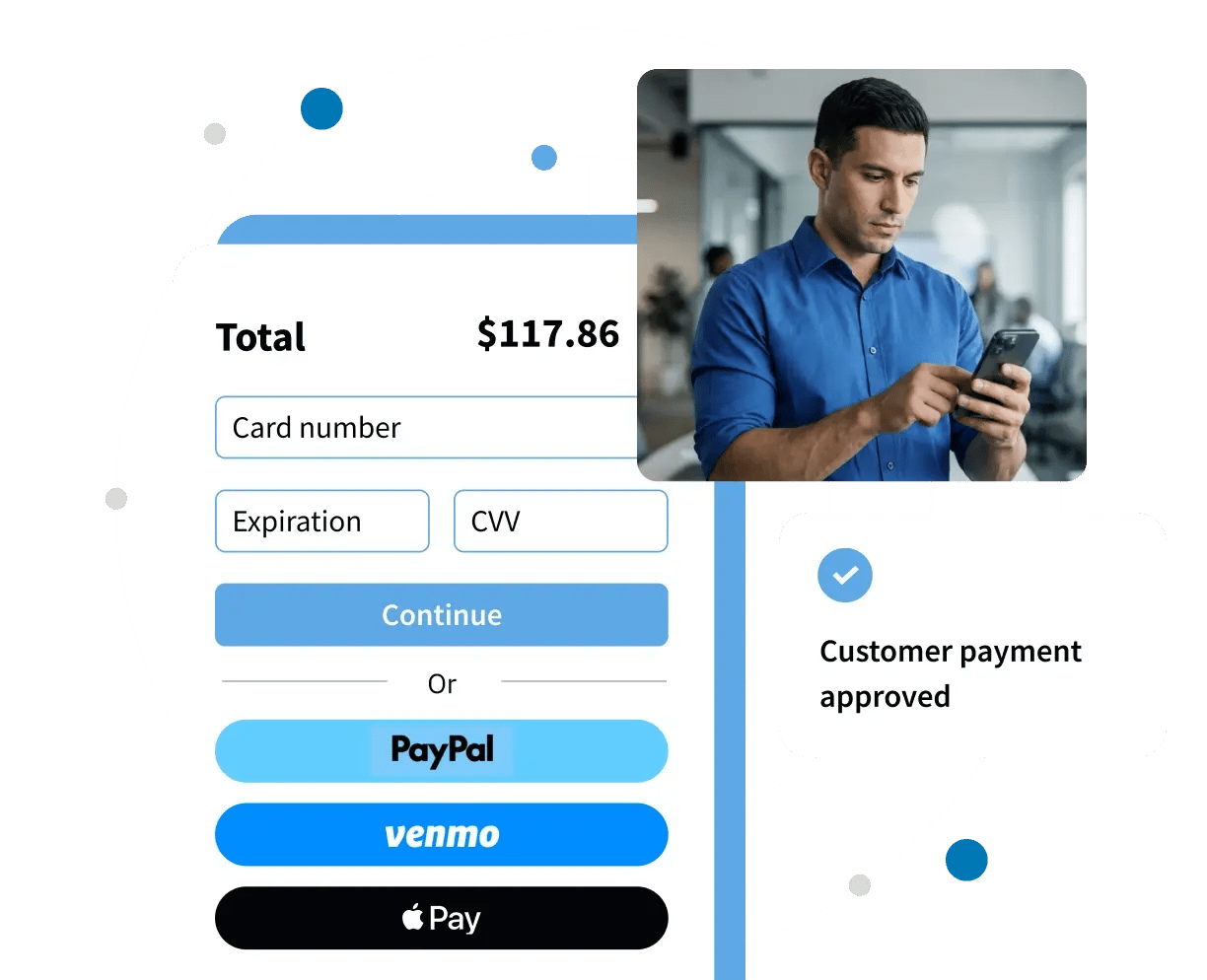
Your platform is under pressure to control fraud, reduce friction, and support merchant growth across many different payment environments. When one fraud model flattens very different merchant conditions into the same decision logic, the result is approval drag, weaker outcomes, and more operating burden. Pipl Trust helps platforms support more consistent authorization decisions across their base, powered by Elephant, Pipl's large payment AI model.

Pipl-Payment-Platform-Hero

When one fraud model has to serve too many merchant environments

Most fraud systems apply the same broad logic across merchants with very different fraud profiles, payment flows, and operating conditions. That creates inconsistency across the platform that compounds over time.

More consistent performance across merchants

Powered by Pipl's identity graph of more than 5 billion profiles, Pipl Trust helps platforms score transactions with more context across merchants, geographies, and thin-file environments.

Scoring that reflects each merchant environment 

Pipl Trust connects identity, behavior, and device data across 740 billion signals to reveal fraud patterns that static models often miss across the merchant base

Intelligence that stays aligned as conditions shift 

Elephant ingests 2 billion signal updates every day, helping platforms avoid stale logic that creates inconsistency across segments, markets, and payment flows.

Reduce revenue loss across the merchant base

False declines don't just hurt one transaction or one merchant. They suppress authorized volume across the platform, weaken take rate, and reduce the approval performance your merchants expect. When scoring lacks enough context, teams rely more on reviews, overrides, and exceptions, increasing operating burden and making platform performance harder to scale consistently.



pipl-btf-5

No fraud controls that are hard to scale

Legacy approaches often struggle across new merchant segments, geographies, and payment types. Without adaptive scoring, platform growth adds complexity faster than decision quality improves. When synthetic identities or coordinated fraud patterns slip through, the damage extends beyond a single bad transaction — affecting merchant confidence, platform credibility, and long-term resilience.

pipl-btf-6

Deploy merchant-calibrated scoring

Pipl Trust API is built to fit into existing payment architecture with minimal lift. Its flexible schema, sub-200ms latency, and stateless delivery model make it practical to embed fraud scoring directly into payment and review flows, while supporting calibration across the merchants that activate it without adding operational complexity.


pipl-btf-3

The foundation underneath every Pipl Trust decision

Pipl Trust draws on our robust identity graph and Elephant, Pipl's large payment AI model, to give payment platforms the signal depth and scoring precision to support consistent authorization decisions across their entire merchant base.

5+ Billion

Global Identities

28+ Billion

Unique Identifiers

740+ Billion

Trust Signals

Built for production inside live payment workflows

6 Facts You Must Know About Fraud Prevention’s Shift from Rule-Based to AI
6 Facts You Must Know About Fraud Prevention’s Shift from Rule-Based to AI

Jan 17, 2024 3 min read
NO RULES: How AI Renders Rule-Based Fraud Prevention Obsolete

NO RULES: How AI Renders Rule-Based Fraud Prevention Obsolete

Dec 1, 2023 5 min read
Online Dating: Do You Believe in Trust at First Sight?

Online Dating: Do You Believe in Trust at First Sight?

Oct 26, 2023 3 min read
Your Trust & Safety Metrics Are Lying to You

Your Trust & Safety Metrics Are Lying to You

Oct 2, 2023 5 min read