Pipl Search Solutions

Real identity intelligence for an era of AI-generated fakes

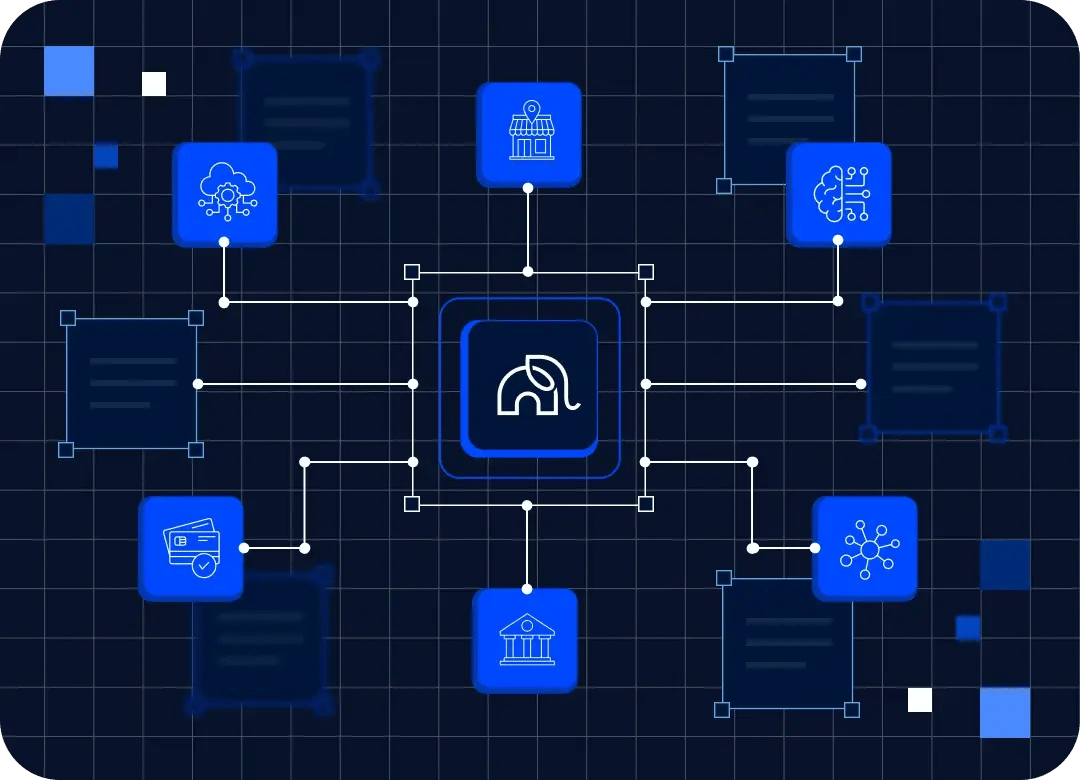
Search is Pipl's identity intelligence solution, powered by Elephant and built on 20 years of identity data. It delivers raw identity attributes and relationships into the systems your team already owns, without introducing external scoring logic.

solutions-search-hero

Reach defensible conclusions faster

Investigators resolve ambiguous identity questions faster when relationships across accounts are visible rather than inferred from isolated records.

Reduce review queue pressure

Give automated systems the identity context to handle more cases without escalation, so review queues hold only the cases that require human judgment.

Build evidence that defends

Identity evidence from Search is explainable across systems, teams, and compliance environments, so decisions hold up everytime they need to.

5B

5 billion unique identities

1T

1 trillion diverse signals

2B

2 billion daily signal updates

elephant-our-model

The model behind every Pipl solution

Elephant is a specialist large risk model, not a general-purpose LLM. Built on 20+ years of identity data, it resolves scattered records from more than 5 billion identities into single, confident profiles and maps the relationships between them. In Search, Elephant powers resolution: you get identity evidence, and your systems keep the decision logic.

One engine, two workflows

One resolution engine, built on 20+ years of identity data, serves both workflows. Search API feeds identity data into your automated systems. Search Insights puts the same data in front of analysts, visually.

Queries Pipl's identity graph and returns raw identity attributes and relationships in real time. Teams incorporate the data into models, rules, and review tools without introducing external scoring logic.

Gives investigators a visual interface into the same identity data. Analysts trace connections, validate attributes, and build evidence for enforcement decisions, appeals, and audit review, without SQL, custom queries, or data science support.

Click + to expand each tier.

Elephant Large Risk Model
Identity Graph
5B+ Global Identities
i Hover the markers to explore the engine.

iHover the markers to explore the engine.

Identity attributes and relationships delivered into your systems

Search API queries Pipl's global identity graph of more than 5 billion identities and returns a cross-referenced person profile: emails, phones, addresses, social profiles, employment history, and more.

Teams incorporate that data into internal models, rules, and review workflows to detect fraud, verify identities, investigate suspicious activity, and make faster, more confident decisions at every digital interaction.

solutions-search-btf-api

Measurable results from across the Pipl solution portfolio

Frequently asked questions
about Pipl Search

How is Pipl Search different from a fraud scoring solution?

Pipl Search delivers raw identity attributes and relationship intelligence that teams incorporate into their own decisioning systems. Search doesn't assign fraud scores, generate outcomes, or recommend actions. It returns the underlying identity data and leaves all decision logic with the team that owns the workflow.

Pipl Trust, by contrast, returns a calibrated risk score along with the signals and reasoning behind it, built on the same identity graph. With either product, the decision stays with you.

Search is the right fit when you've built your own models, rules, and review processes and need stronger identity data to make them more precise.

What makes Pipl's identity data different from other identity providers?

Pipl's identity data has three distinct characteristics. First, depth: identity data has been collected and refined for over 20 years, predating the era of AI-generated identities and synthetic profiles, giving Pipl reference signals that newer datasets can't replicate.

Second, scale: Pipl's global identity graph connects 1 trillion fragments of identity data into 5 billion resolved identities, refreshed at 2 billion updates per day.

Third, resolution: Elephant, Pipl's specialist large risk model, is purpose-built for identity resolution rather than a general-purpose LLM, connecting fragments into resolved identities and surfacing patterns across accounts that isolated records don't show.

Combined, these make Pipl's identity data uniquely suited to organizations that need defensible identity intelligence in an era of synthetic and AI-generated fakes.

What kinds of identity data does Search return?

Search queries Pipl's global identity graph and returns identity attributes and relationships in raw form, including names, email addresses, phone numbers, physical addresses, social profiles, employment history, and the resolved relationships between them.

The data lets teams validate attribute consistency, observe identifier reuse across accounts, surface identity patterns that isolated records don't reveal, and trace connections between entities that appear unrelated at the record level.

All data is returned for teams to incorporate into their own models, rules, and review tools, without any external scoring logic applied. Search returns the underlying identity intelligence; the decision logic stays with the team.

How does Search API integrate with existing fraud and risk systems?

Search API is designed to integrate into existing fraud and risk infrastructure without requiring structural changes to the systems already in place. It returns raw identity data through a flexible schema that accommodates different system architectures and data environments.

Teams can query Search API in real time as part of automated decisioning flows in their CRM, case management system, or risk decisioning platform, or batch it for case review, investigation, and audit workflows. The stateless delivery model means no session management or state synchronization is required, and the flexible schema means integration teams don't need to rebuild downstream parsers when adapting to existing systems.

No external scoring logic is introduced and decision ownership stays with the team.

Who is Search Insights built for?

Search Insights is built for analysts and investigators who need to resolve identity questions without relying on data science, engineering, or SQL support.

It's a browser-based investigation tool and Chrome extension that exposes Pipl's global identity graph through a visual interface, letting investigators trace connections across accounts, validate identity attributes, and build evidence for enforcement decisions, appeals, audits, and dispute resolution.

It's designed for fraud operations teams, compliance investigators, trust and safety analysts, financial crime teams, law enforcement and OSINT investigators, and investigation specialists working in case review environments where defensibility under scrutiny matters.

How does Pipl Search support defensibility and compliance requirements?

Identity evidence from Search is explainable at every layer of resolution. The attributes returned, the relationships surfaced, and the connections drawn between identifiers are all traceable back to the underlying source data accumulated over 20 years.

This means decisions supported by Search evidence can be defended during escalation, dispute resolution, regulatory inquiry, and audit review without relying on inference or opaque algorithmic logic.

For regulated environments where decisions need to hold up under scrutiny, including jurisdictions with model risk management requirements and AI governance frameworks, Search delivers identity evidence that retains its meaning across systems, teams, and compliance contexts.

How is Pipl Search different from a fraud scoring solution?

How is Pipl Search different from a fraud scoring solution?

Pipl Search delivers raw identity attributes and relationship intelligence that teams incorporate into their own decisioning systems. Search doesn't assign fraud scores, generate outcomes, or recommend actions. It returns the underlying identity data and leaves all decision logic with the team that owns the workflow.

Pipl Trust, by contrast, returns a calibrated risk score along with the signals and reasoning behind it, built on the same identity graph. With either product, the decision stays with you.

Search is the right fit when you've built your own models, rules, and review processes and need stronger identity data to make them more precise.

What makes Pipl's identity data different from other identity providers?

What makes Pipl's identity data different from other identity providers?

Pipl's identity data has three distinct characteristics. First, depth: identity data has been collected and refined for over 20 years, predating the era of AI-generated identities and synthetic profiles, giving Pipl reference signals that newer datasets can't replicate.

Second, scale: Pipl's global identity graph connects 1 trillion fragments of identity data into 5 billion resolved identities, refreshed at 2 billion updates per day.

Third, resolution: Elephant, Pipl's specialist large risk model, is purpose-built for identity resolution rather than a general-purpose LLM, connecting fragments into resolved identities and surfacing patterns across accounts that isolated records don't show.

Combined, these make Pipl's identity data uniquely suited to organizations that need defensible identity intelligence in an era of synthetic and AI-generated fakes.

What kinds of identity data does Search return?

What kinds of identity data does Search return?

Search queries Pipl's global identity graph and returns identity attributes and relationships in raw form, including names, email addresses, phone numbers, physical addresses, social profiles, employment history, and the resolved relationships between them.

The data lets teams validate attribute consistency, observe identifier reuse across accounts, surface identity patterns that isolated records don't reveal, and trace connections between entities that appear unrelated at the record level.

All data is returned for teams to incorporate into their own models, rules, and review tools, without any external scoring logic applied. Search returns the underlying identity intelligence; the decision logic stays with the team.

How does Search API integrate with existing fraud and risk systems?

How does Search API integrate with existing fraud and risk systems?

Search API is designed to integrate into existing fraud and risk infrastructure without requiring structural changes to the systems already in place. It returns raw identity data through a flexible schema that accommodates different system architectures and data environments.

Teams can query Search API in real time as part of automated decisioning flows in their CRM, case management system, or risk decisioning platform, or batch it for case review, investigation, and audit workflows. The stateless delivery model means no session management or state synchronization is required, and the flexible schema means integration teams don't need to rebuild downstream parsers when adapting to existing systems.

No external scoring logic is introduced and decision ownership stays with the team.

Who is Search Insights built for?

Who is Search Insights built for?

Search Insights is built for analysts and investigators who need to resolve identity questions without relying on data science, engineering, or SQL support.

It's a browser-based investigation tool and Chrome extension that exposes Pipl's global identity graph through a visual interface, letting investigators trace connections across accounts, validate identity attributes, and build evidence for enforcement decisions, appeals, audits, and dispute resolution.

It's designed for fraud operations teams, compliance investigators, trust and safety analysts, financial crime teams, law enforcement and OSINT investigators, and investigation specialists working in case review environments where defensibility under scrutiny matters.

How does Pipl Search support defensibility and compliance requirements?

How does Pipl Search support defensibility and compliance requirements?

Identity evidence from Search is explainable at every layer of resolution. The attributes returned, the relationships surfaced, and the connections drawn between identifiers are all traceable back to the underlying source data accumulated over 20 years.

This means decisions supported by Search evidence can be defended during escalation, dispute resolution, regulatory inquiry, and audit review without relying on inference or opaque algorithmic logic.

For regulated environments where decisions need to hold up under scrutiny, including jurisdictions with model risk management requirements and AI governance frameworks, Search delivers identity evidence that retains its meaning across systems, teams, and compliance contexts.

Real identity evidence, when your decisions need to hold up

Gaps in identity data create gaps in decision quality. Search delivers raw identity attributes and relationships, powered by Elephant, into the systems your team already uses.